
Why Are Voles in My Yard, and What Should I Do About It?

Why Are Voles in My Yard, and What Should I Do About It?

April 24, 2026

You step outside one spring morning and notice narrow, winding trails carved through your lawn, patches of dead grass, and tiny holes near your garden beds. Sound familiar? Chances are, you have voles, and you’re not alone.

Voles are among the most common yet underestimated lawn pests that homeowners face. They work quietly, often hidden beneath snow or dense vegetation, and by the time you notice the damage, they’ve already settled in. Understanding what draws voles to your yard is the first step toward getting rid of them for good.

What Exactly Is a Vole?

What Exactly Is a Vole?

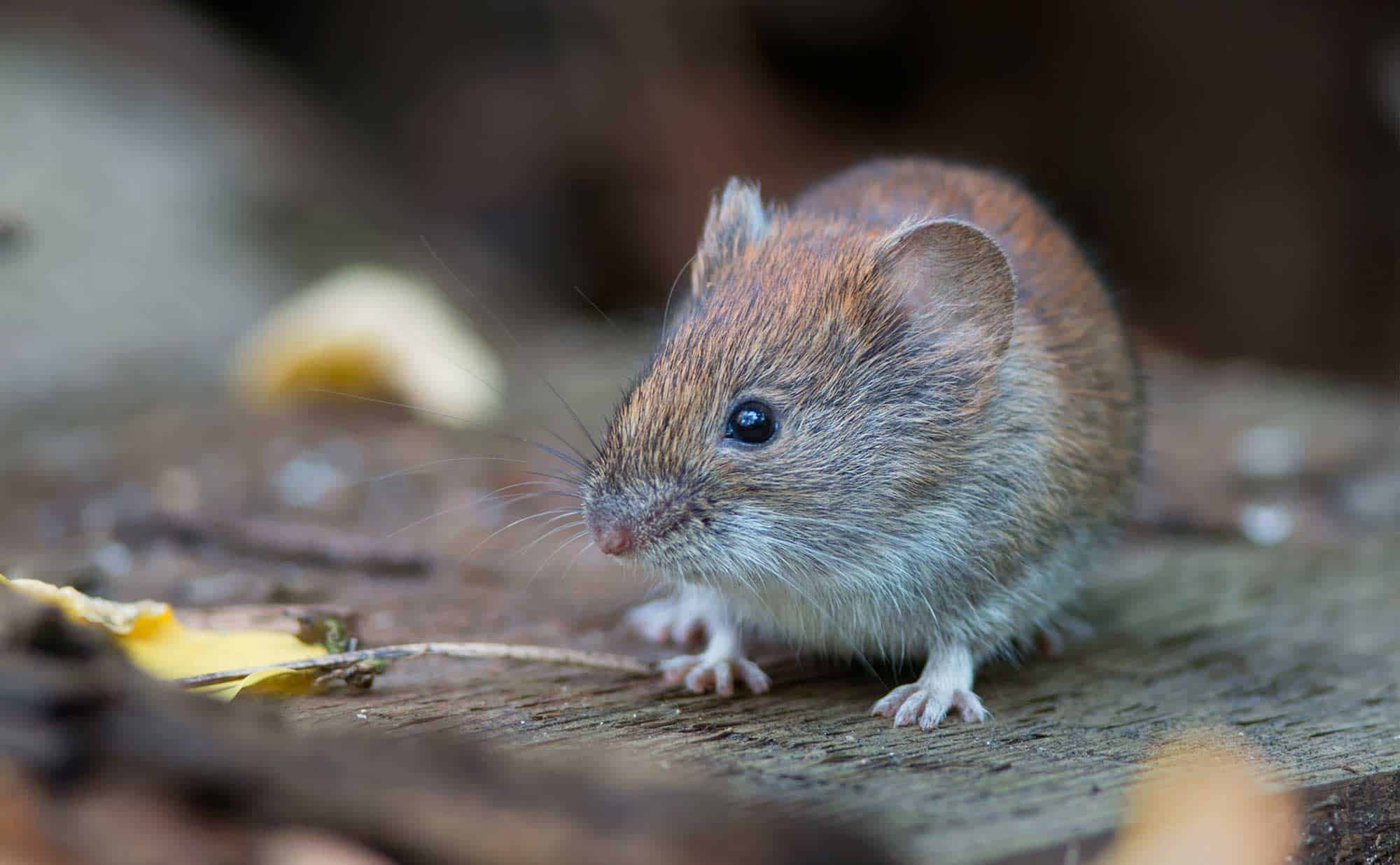
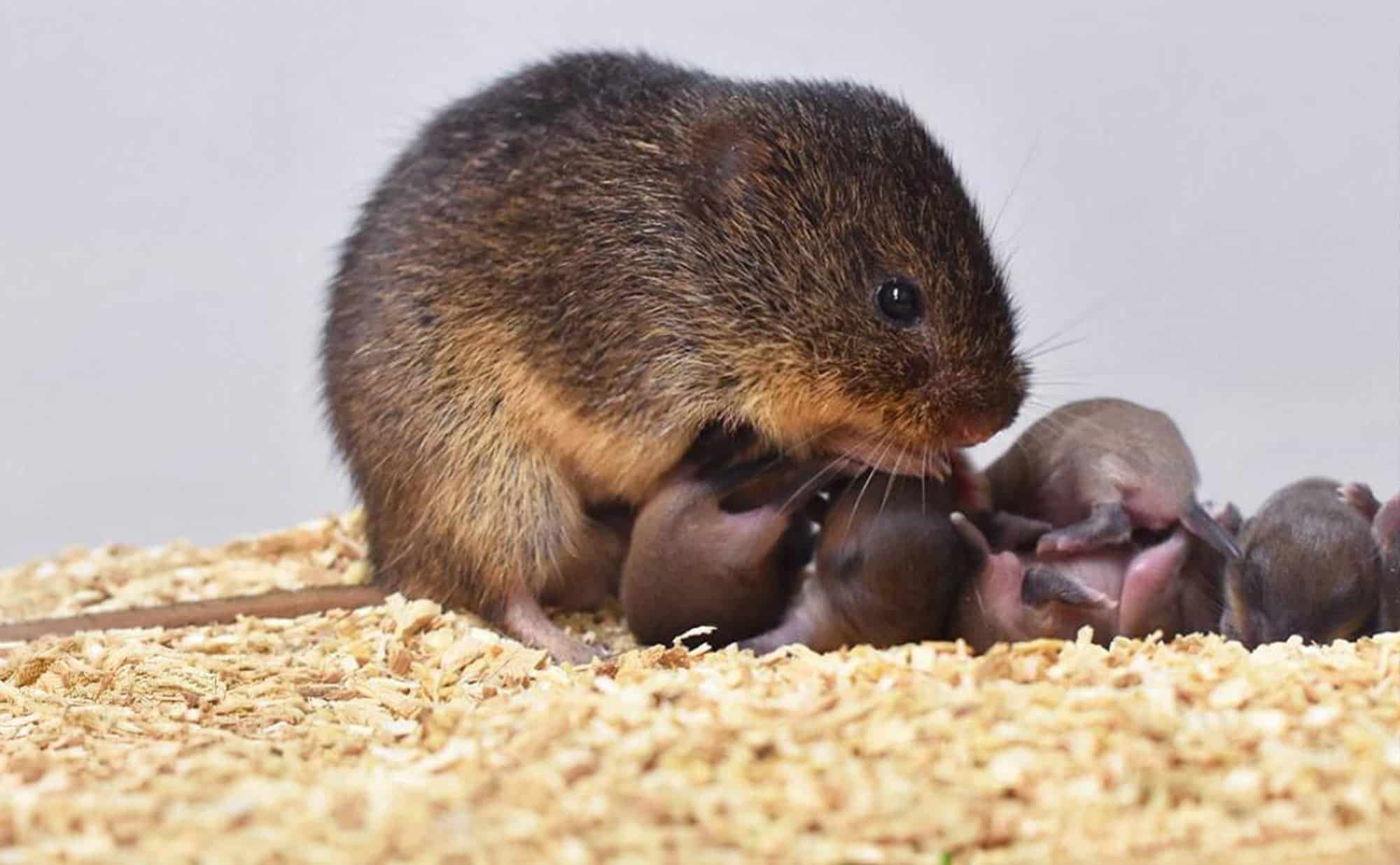
Before diving into solutions, it helps to know what you’re dealing with. Voles are small rodents often called “meadow mice” that are frequently mistaken for moles or regular house mice. They’re stocky creatures measuring about 5 to 8 inches long, with coarse brown or grayish-black fur, small eyes, and partially hidden ears. Unlike moles, which have large paddle-shaped feet built for deep digging, voles have small, delicate feet and tend to tunnel near the surface or travel above ground through the grass.

One of the most important things to know about voles: they don’t hibernate. They are active year-round, day and night, so a small problem can quickly escalate. A single female vole can produce 5 to 10 litters per year, averaging 3 to 5 young per litter. That’s an explosive reproductive rate that can turn a minor nuisance into a full-blown infestation in a matter of weeks.

Why Do Voles Come to Your Yard?

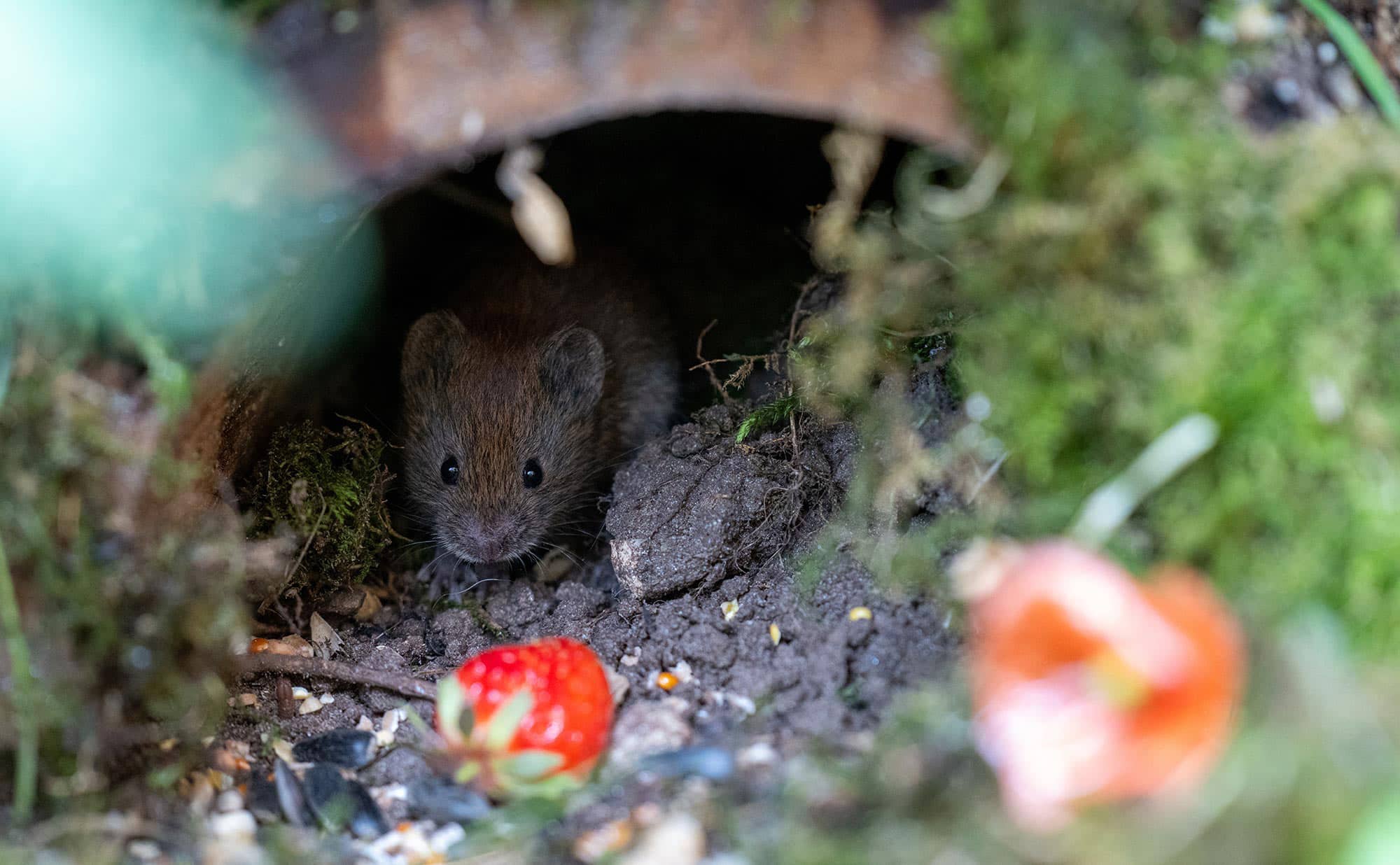
Voles don’t wander into your yard by accident. Your property is offering them exactly what they need to survive: food, shelter, and moisture. Here are the most common reasons voles are attracted to residential yards:

Voles are attracted to roots, bulbs, grass, seeds, and fallen fruit in gardens and lawns.

Tall grass, ground cover, and thick mulch give voles protection from predators.

Leaf piles and woodpiles provide shelter and nesting material.

Damp, poorly drained areas make tunneling easy.

Voles use tunnels left by moles or chipmunks.

Voles migrate from wooded areas or neighboring yards with infestations.

Why Do Voles Come to Your Yard?

Signs You Have Voles in Your Yard

Because voles spend much of their time underground or hidden in vegetation, you’re more likely to spot their damage than the voles themselves.

Watch for:

Narrow, 1- to 2-inch-wide paths worn through the grass, most visible after snow melts in spring.

Circular openings about 1 to 1.5 inches wide, often hidden under mulch or dense plants.

Irregular chew marks near the base of trees and shrubs, sometimes girdling the entire trunk.

A sign that voles have been feeding on roots, tubers, or bulbs underground.

The feeling of soft, unstable ground as you walk across your lawn, caused by their tunnel networks.

Signs You Have Voles in Your Yard

What to Do Once Voles Are in Your Yard

Once you’ve confirmed voles are present, acting quickly is essential. Because of their rapid reproduction rate, a small population can grow dramatically in a short period of time. Before reaching out to a professional, there are a few steps you can take right now to slow the damage and make your yard less hospitable to these unwanted guests.

Mow regularly, remove debris, and keep grass short.

Use hardware cloth around trees and garden beds.

Place snap or live traps along vole runways; cover traps for pet safety.

Avoid poison baits; try live trapping and habitat changes.

Call experts if voles persist or damage is widespread.

What to Do Once Voles Are in Your Yard

When to Call a Professional

If voles keep coming back or the infestation is widespread, it’s time to call a professional. Experts will inspect your property, develop a custom plan using safe and effective strategies, install tamper-resistant bait stations if needed, recommend landscaping changes, monitor progress, and even help restore any lawn damage. Voles may be small, but the damage they cause is anything but minor. From destroyed root systems and girdled trees to unsightly tunnel networks running across your lawn, an unchecked vole population can undo years of landscaping work in a single season.

When to Call a Professional

The good news? You don’t have to deal with it alone. Whether you’re seeing the first signs of vole activity or dealing with an infestation that’s gotten out of hand, Rainbow’s professional vole control services can help you reclaim your yard and keep it that way.

Contact us today to schedule your inspection and take the first step toward a vole-free lawn.

Other items you may be interested in:

We place cookies on your device to enhance site navigation, aid your browsing experience, analyze site usage, and serve you with relevant content. By clicking “Accept All”, you agree to our use of cookies for these purposes. For more information, review our Privacy Policy.