What Happens to Pests in the Winter?

January 9, 2026

As the days shorten and the chill sets in, many of us assume that the colder months will naturally control pesky insects and rodents. But where do all the bugs go in the snowy and cold winter? The truth is, pests don’t simply vanish; they employ a fascinating array of survival strategies to cope with the cold. Understanding these tactics is key to keeping your home pest-free year-round.

Insects: Masters of Winter Survival

Insects, being exothermic (cold-blooded), cannot produce their own body heat and are highly dependent on environmental temperatures. When winter arrives, they have three options: migration, overwintering, or seeking shelter.

Migration

Some insects, such as the iconic Monarch Butterfly, undertake long-distance migrations to warmer climates. Others rely on shorter-range migrations to southern areas that offer milder conditions until spring returns.

Overwintering

This is a broad term for various strategies insect pests use to survive the cold in a dormant state that can include methods such as: Diapause Similar to hibernation in mammals, diapause is a state of suspended development and activity with a metabolic rate just high enough to sustain life. Many insects enter diapause as adults, larvae, nymphs, or even eggs. Freeze Avoidance This strategy involves preventing ice from forming in their bodies. Some insects reduce their body water content, emptying their digestive tracts to eliminate ice-nucleating particles. Others produce natural “antifreeze” compounds, such as glycerol and sugars, which lower the freezing point of their body fluids. Freeze Tolerance Some insects can actually survive with ice forming inside their bodies. They regulate ice formation to prevent damage to their cells. The woolly bear caterpillar is a prime example of a freeze-tolerant insect.

Seeking Shelter

Many insects actively seek out protected micro-habitats to escape the elements. This can include burrowing into the soil, hiding under leaf litter, within logs or trees, or even seeking refuge in plant galls. Snow cover can also act as an insulator, keeping ground temperatures surprisingly stable. However, if pests can’t find a micro-habitat, they will likely try to get into your home to stay warm during the winter.

Common Winter Pest Behaviors

Let’s take a closer look at how some specific pests deal with winter:

Spiders

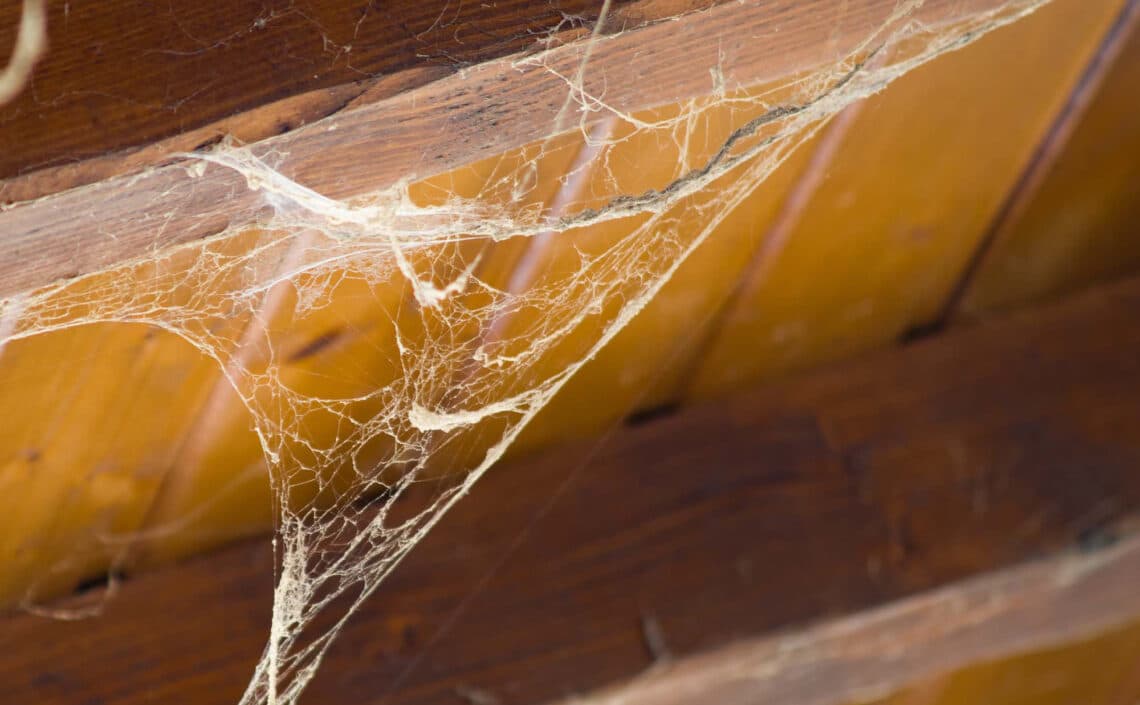
While their activity decreases significantly, some spiders can overwinter in sheltered outdoor spots or inside buildings. Reduced prey availability also contributes to their lower activity.

Fleas

Fleas cannot survive outdoors in the Minnesota winter, but they can survive indoors if brought in by pets or pests.

Ants

Many ant colonies won’t survive harsh winters unless they find mild conditions, though some ants may burrow into the ground to stay warm in the winter.

Mosquitoes

Female mosquitoes enter diapause in winter, seeking sheltered areas such as burrows, storm drains, or caves to overwinter. Male mosquitoes typically die off when temperatures drop.

What Happens to Pests in the Winter?

Ticks

Ticks can hibernate, reduce activity, or produce cryoprotectants during winter. American dog ticks become dormant in leaf piles or under rocks, while black-legged and lone star ticks may remain active if temperatures stay above freezing.

Bees & Wasps

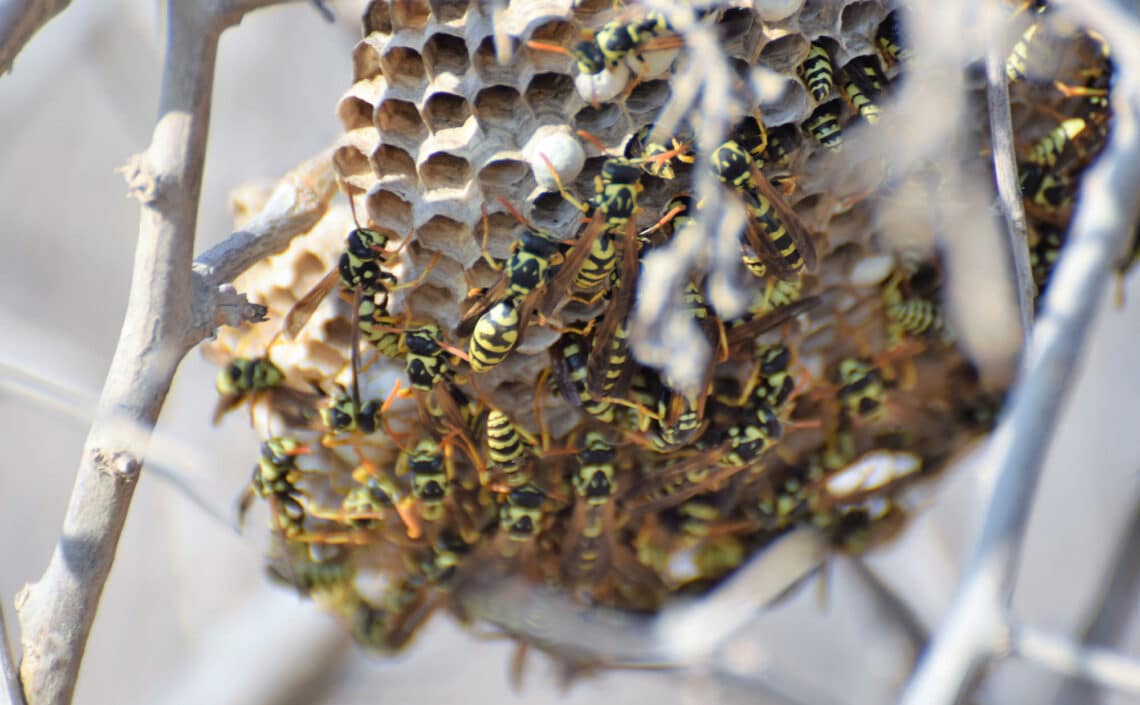
Honeybees cluster in hives, vibrating their wings to generate heat and consume stored honey. Bumblebee queens hibernate underground. Most wasps die off in freezing temperatures, but queens will mate and find a safe spot to overwinter.

Overwintering Bugs (Stink Bugs, Boxelder Bugs)

These nuisance pests often avoid the snow and cold by entering diapause after settling in warm indoor spaces like attics, basements, or wall voids.

Silverfish

These pests are active year-round and will seek warmth and moisture indoors, feeding on paper, glue, and fabrics.

Beyond Insects: Other Winter Pests

It’s not just insects that cause problems in winter. Many other common pests become more determined to find shelter in your home:

Mice and Rats

These adaptable rodents do not hibernate. As temperatures drop, they seek warm places with food and water, often entering homes.

Squirrels

Squirrels remain active, relying on stored food and nests in trees or underground burrows. They can easily chew through damaged wood to access attics.
What Happens to Pests in the Winter?

Protect Your Home This Winter

Understanding how pests survive in the winter is the first step in preventing infestation. Take proactive measures such as:

Sealing Entry Points

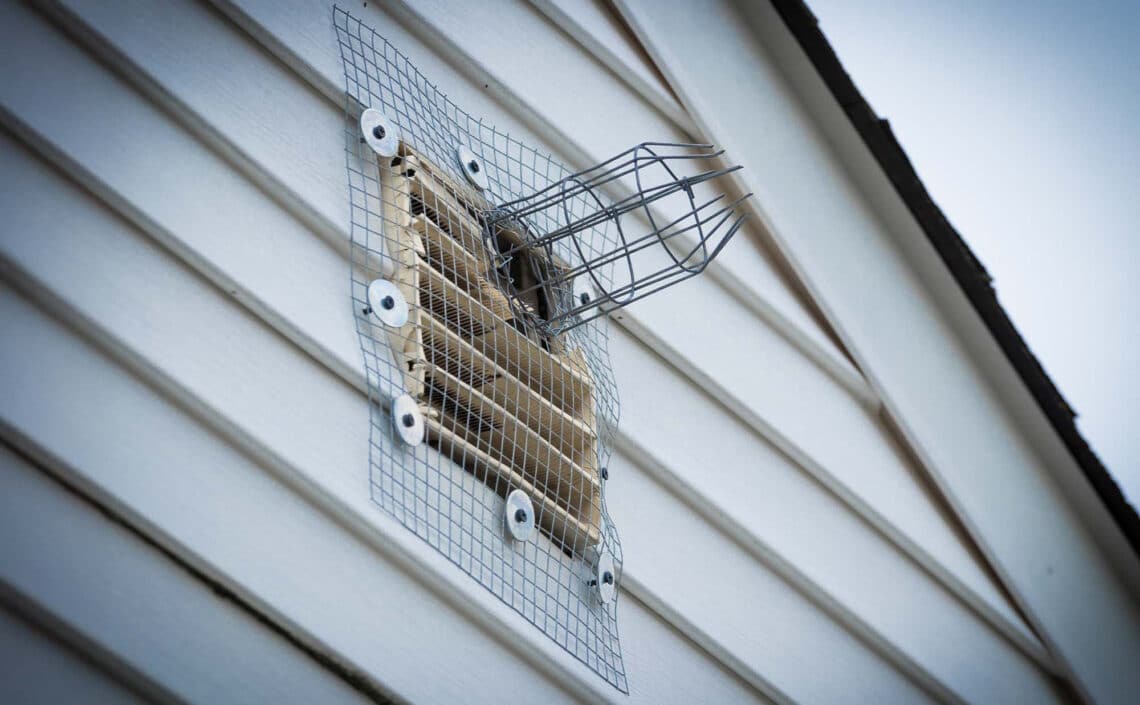
Inspect your home’s foundation, doors, windows, and siding for gaps, cracks, and holes. Rodents can squeeze through surprisingly small openings.

Proper Food Storage

Store food in airtight containers to prevent pests from gaining easy access.

Trim Vegetation

Keep trees and shrubs trimmed away from your home to reduce the risk of pathways.

Reduce Standing Water

Eliminate sources of standing water around your property, as they can be breeding grounds for mosquitoes even in colder months.

Maintain a Clutter-Free Home

Reduce clutter in attics, basements, and crawl spaces, as these provide ideal hiding spots for pests.

Pest control may not seem that important in the winter, but it is actually well worth it and one of the best times of the year to treat for insects. During the winter, all their activities occur indoors. This allows excellent control of existing pest populations, while cold winter temperatures prevent new infestations until spring. By understanding their winter behaviors and taking preventative steps, you can help ensure your home remains protected from unwanted guests all season long.

Need professional pest control in the Minneapolis/St. Paul metro area? Contact us, we’d be happy to help!

Other items you may be interested in:

We place cookies on your device to enhance site navigation, aid your browsing experience, analyze site usage, and serve you with relevant content. By clicking “Accept All”, you agree to our use of cookies for these purposes. For more information, review our Privacy Policy.