
Boxelder Bugs in Minnesota

Boxelder Bugs in Minnesota

What to Expect This Year

August 26, 2026

What Are Boxelder Bugs?

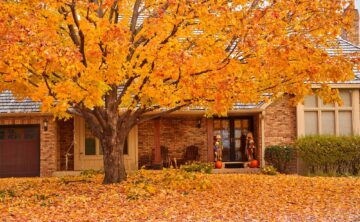
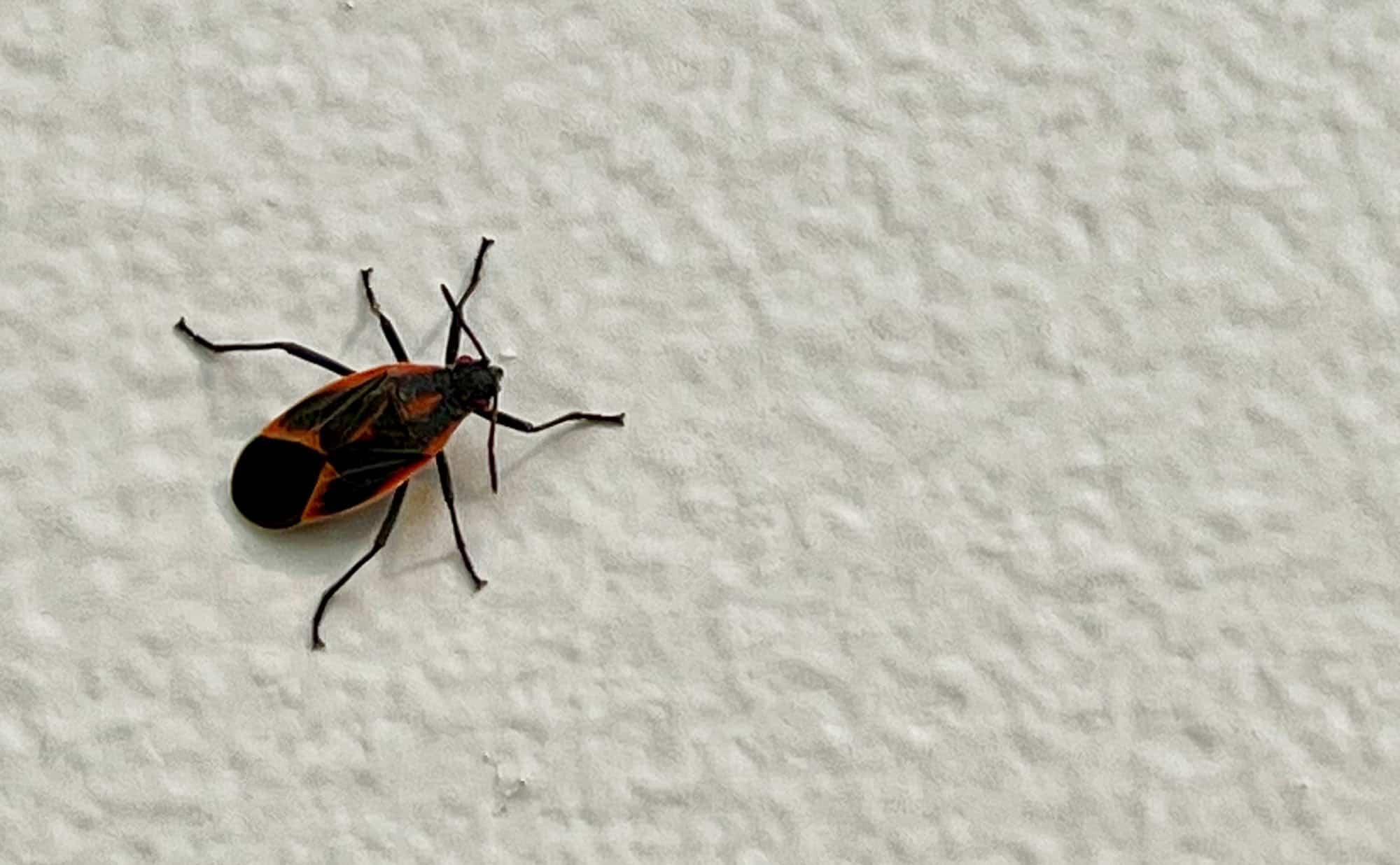
Let’s talk about boxelder bugs, the little black bugs with red or orange stripes you’ve probably noticed sunning themselves on the warmth of your siding. These critters love hanging out on boxelder, maple, and ash trees, and if you’re in Minnesota, you’re right in their stomping grounds. The good news? Boxelder bugs aren’t invasive, and they won’t harm your home or your health. The not-so-good news: they sure know how to make themselves at home, especially in the fall. As temperatures drop, boxelder bugs gather on the warm, sunny sides of homes—think south- or west-facing walls, brick chimneys, or anywhere the afternoon sun hits. They do this because they’re searching for heat, which helps them prepare for winter. If you spot clusters of them basking outside, they’re not just sunbathing—they’re scouting for a way inside to escape the cold.

Boxelder Bug Life Cycle

Boxelder Bug Life Cycle

From Egg to Adult

Every spring, adult boxelder bugs wake up from their overwintering spots, stretch their legs (so to speak), and get right to work munching on seeds and leaves. Before you know it, they’re pairing up, and by mid-July, the females are busy laying eggs on tree bark and leaves. Soon after, you’ll spot tiny, bright red nymphs running around—these little guys will molt a handful of times over the next several weeks, slowly turning into the classic winged adults you know (and maybe don’t love).

How Long Do Boxelder Bugs Live?

In Minnesota, boxelder bugs stick to one generation per year. The adults you see in the fall are the same ones you’ll likely find waking up in your house come spring. Here’s the deal: in the fall, boxelder bugs look for warm cracks, gaps, or crevices in your home’s siding, walls, windows, or attic to spend the winter. They wedge themselves in and stay hidden all season long—a process called “overwintering.” When spring brings warmth, the bugs wake up and start looking for a way back outside, which is why you might suddenly find them inside your house. The good news? They don’t reproduce indoors; they’re just using your cozy walls as a winter retreat.

What to Expect from Boxelder Bugs This Year

What to Expect from Boxelder Bugs This Year

So, what’s up with boxelder bugs this year? Thanks to last winter’s thick snow cover, many of these bugs survived and are ready to make an early appearance as spring warms up. How many you’ll see this fall really depends on our summer weather. If it’s hot and dry, as it has been so far this year, expect a bigger boxelder bug crowd than usual.

How to Eliminate Boxelder Bugs

How to Eliminate Boxelder Bugs

Prevention and Exclusion

Want to stop boxelder bugs before they move in? Start by sealing up cracks, gaps, and tiny openings around your windows, doors, and siding, especially before fall hits. Fix up any damaged screens, check sunny spots where bugs like to sneak in, and keep an eye on boxelder and maple trees around your home. A little prevention goes a long way!

DIY vs. Professional Treatment

If you spot a few bugs inside, grab your vacuum (don’t squish them, unless you want stains!) and weatherstrip doors for good measure. Usually, keeping them out in the first place is your best bet. That’s where our service comes in: we treat the exterior of your home in the fall to dramatically reduce the number of boxelder bugs that can sneak inside for winter. While there isn’t a service for removing boxelder bugs from inside homes in the spring, a fall treatment is your best shot at keeping them out in the first place and cutting down on surprise visitors next year. For recurring or large outdoor gatherings, professional treatment is both science-backed and safe for your family and pets. If you want to dramatically reduce boxelder bug numbers next year, scheduling a fall exterior service is the way to go.

Protect Your Home This Season

Protect Your Home This Season

Bottom line: boxelder bugs are more of an annoyance than a danger, and with a few simple steps, you can keep them from taking over your home. Want an extra hand? We’re here to help whether you need a one-time visit or year-round protection; reach out, and we’ll help you keep your home boxelder-free.

For more tips and resources, visit our boxelder bug page, learn about our Pest Protection Plans, or see our overview of Pest Control services. You can also read more from the University of Minnesota Extension on boxelder bugs.

Other items you may be interested in:

We place cookies on your device to enhance site navigation, aid your browsing experience, analyze site usage, and serve you with relevant content. By clicking “Accept All”, you agree to our use of cookies for these purposes. For more information, review our Privacy Policy.