
Fall & Winter Pest Prevention Tips
in Minnesota
October 20, 2025
As the vibrant colors of autumn foliage paint the Minnesota landscape and the temperatures start to drop, bugs, rodents, and other pests begin to prepare for winter. While some hibernate or travel to warmer climates, many seek shelter and warmth indoors. This makes it crucial for homeowners to take proactive steps to prevent pests. Implementing these tips can significantly reduce your chances of a pest infestation down the road. Remember, the key to the best pest prevention is staying proactive and addressing issues early before they get out of hand.
Keep Your Home Organized and Tidy
The best way to prevent fall and winter pests in Minnesota is to avoid providing them with comfortable living spaces. Clutter-free and food-free areas are less appealing to pests.
- Store Food Properly
Pests are often drawn to food sources. Store all food, including pet food, in airtight containers. Regularly clean up crumbs and spills, paying special attention to pantry areas, kitchens, and dining spaces.
- Eliminate Moisture
Moisture attracts many pests. Fix any leaky pipes, faucets, or appliances promptly. Ensure good ventilation in bathrooms and kitchens. Using dehumidifiers in damp areas like basements, attics, or crawl spaces will make these spaces less inviting to moisture-loving bugs and other pests.
- Declutter Storage Areas
Keep your home organized and tidy, especially in storage areas like basements, attics, and garages. Opt for plastic bins or pest-proof containers instead of cardboard boxes, which can offer easy access and hiding spots for pests. Regularly vacuum and clean these areas.
Is Pest Control Worth It in the Winter?
Absolutely. By keeping pests out of your Minnesota home during the winter, you can prevent everything from structural damage and health hazards to chewed electrical wires and ruined walls or furniture. Winter pest control can also stop future infestations, making pest control easier during other months.
Maintain Your Yard to Deter Pests
Your yard can be a source of both shelter and food for pests, especially as they look for places to overwinter.
Clear Debris and Trim Vegetation
Trim back trees and bushes from your home’s foundation. Rake up fallen leaves, which can provide excellent hiding spots for bugs seeking warmth. Clean out below-ground window wells. Many bugs will spend the Minnesota winter under leaf litter, and if kept close to your foundation, these pests can find their way inside following the heat of your house.
Store Firewood Properly
If you use firewood during the fall and winter months, store it at least 20 feet away from your home and 5 inches off the ground. This prevents pests like carpenter ants from finding their way into your living space through the firewood.
Watch Out For Hitchhikers
Fall is when outdoor furniture, planters, and other items may be brought inside. Before bringing in seasonal decorations or items stored in attics or garages, inspect them thoroughly for pests or signs of pest activity, such as droppings or gnaw marks. This simple step can prevent unwanted guests from entering your living space.
Fortify Common Entry Points
Pests can enter your home through a variety of methods. Inspecting and performing routine maintenance on potential entry points can help reduce the likelihood of a fall pest infestation.
What Time of Year is Best For Pest Control?
Attic and crawl space vents should have intact and tight-fitting screens. Regularly inspect and maintain these screens, and be sure to repair or replace any damaged window or door screens. Keeping these barriers intact can help prevent pest infestations from entering your home.
Check Screens and Vents
Attic and crawl space vents should have intact and tight-fitting screens. Regularly inspect and maintain these screens, and be sure to repair or replace any damaged window or door screens.
Add or Replace Weather Stripping
Ensure that all windows and doors have tight-fitting weather stripping. If you notice gaps or damaged stripping, replace it promptly. Properly sealed windows and doors will help keep pests out and improve your home’s energy efficiency.
Seal Exterior Cracks and Holes
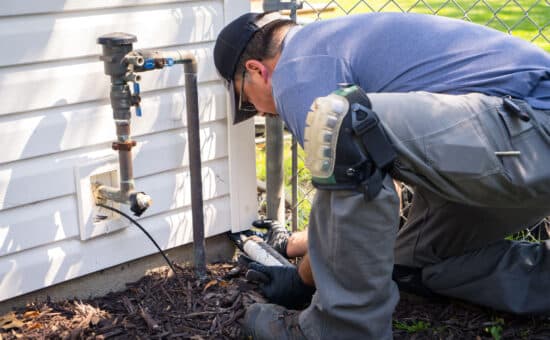
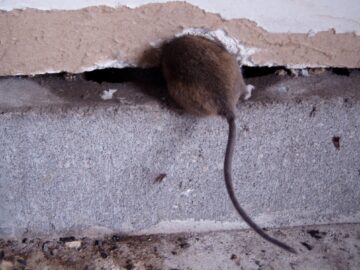
Inspect the exterior of your home for cracks and holes, particularly around utility accesses. Use caulk or other mouse-resistant materials to seal any openings, paying close attention to holes larger than 3/8 inch. These small openings can be an open invitation to mice and other winter pests.
Change Your Outdoor Bulbs
Consider switching to yellow or red outdoor lighting. Insects are less attracted to these colors because they perceive them differently than white or blue lights. Making the switch can help reduce flying insects around your home, especially during warmer fall evenings.
Know When to Hire an Expert for Pest Prevention
If you live in an area with high pest pressure, such as near water or forests, or if you’ve struggled to control pests in your home during fall and winter, it might be time to bring in Rainbow Pest Experts. Our experts can identify potential entry points, assess current pest activity, and implement targeted solutions to keep your home pest-free throughout the colder months.
Other items you may be interested in:

When to Call a Pest Control Professional
Have you ever wondered when pest control is too much to handle on your own and when to call a pest control professional? Knowing where–and
Why Are Stink Bugs & Boxelder Bugs in My Home?
Boxelder bugs are an overwintering insect that’s no stranger to most Minneapolis homeowners. You may have witnessed them congregating on the exteriors of your house,

Tips for Do-It-Yourself Mice Control
Ever wondered how to manage a small mouse problem in your Minnesota home on your own? Below are tips from our team of pest experts